

Seascape photography is a captivating genre that allows you to capture the beauty of the sea, coastline, and the interaction between land and water. Achieving compelling compositions in seascape photography involves careful consideration of various elements. Here are some tips on composition for seascape photography:
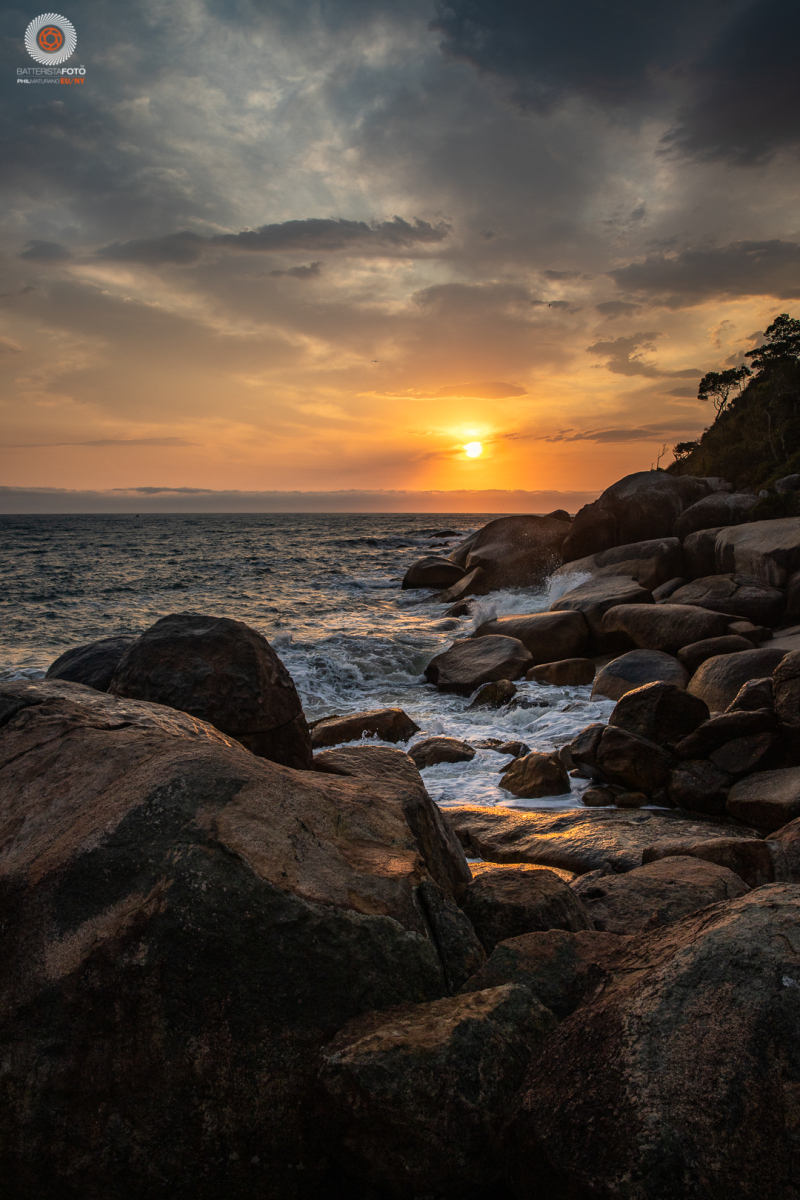
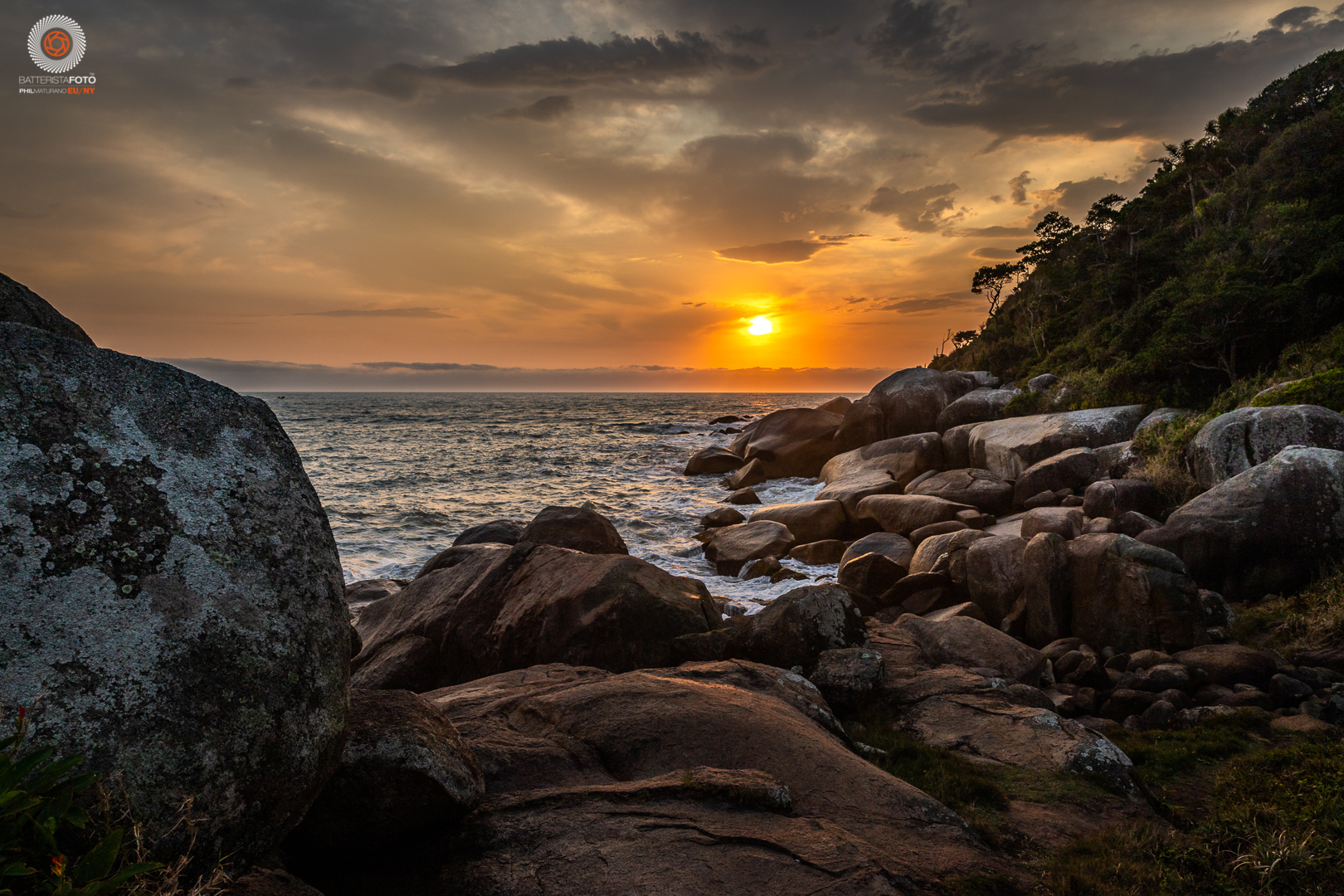
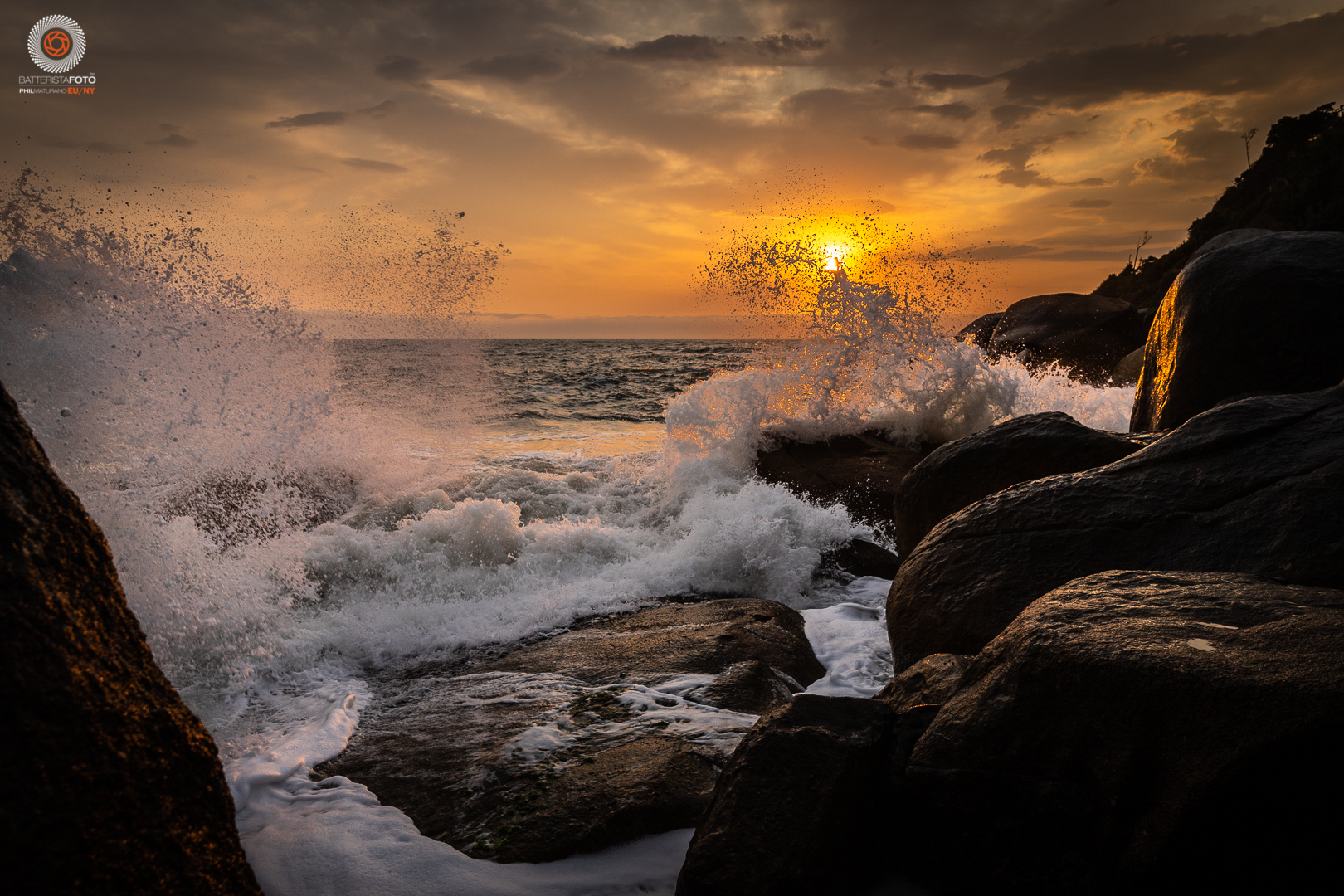
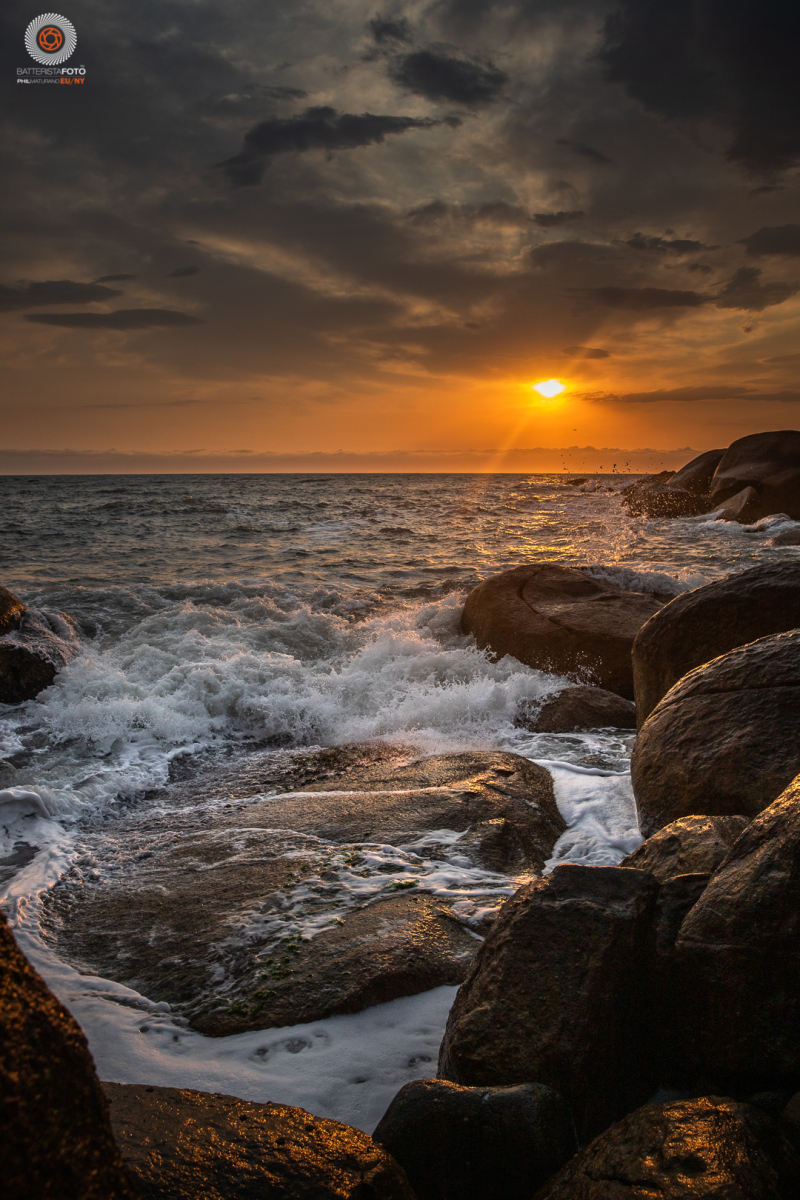
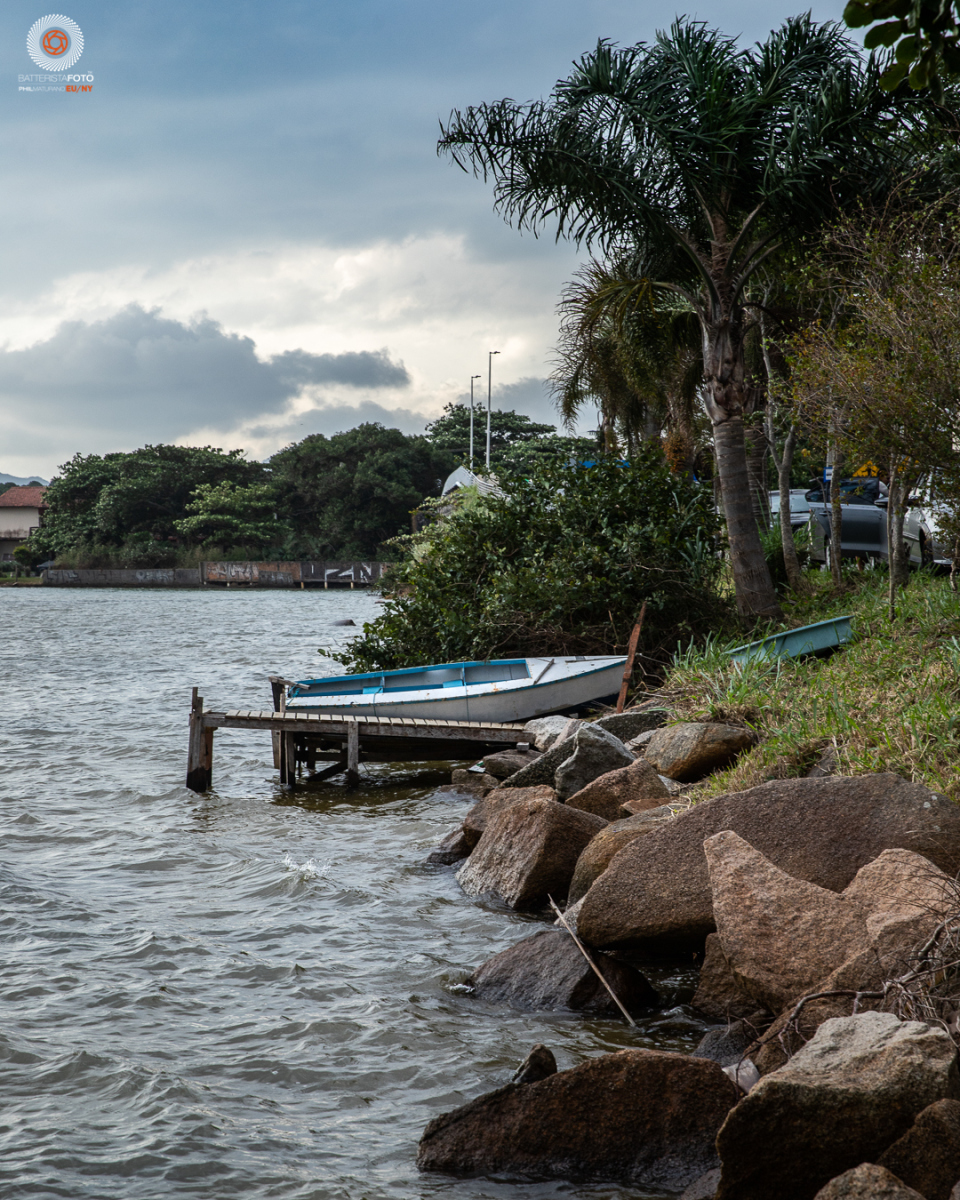
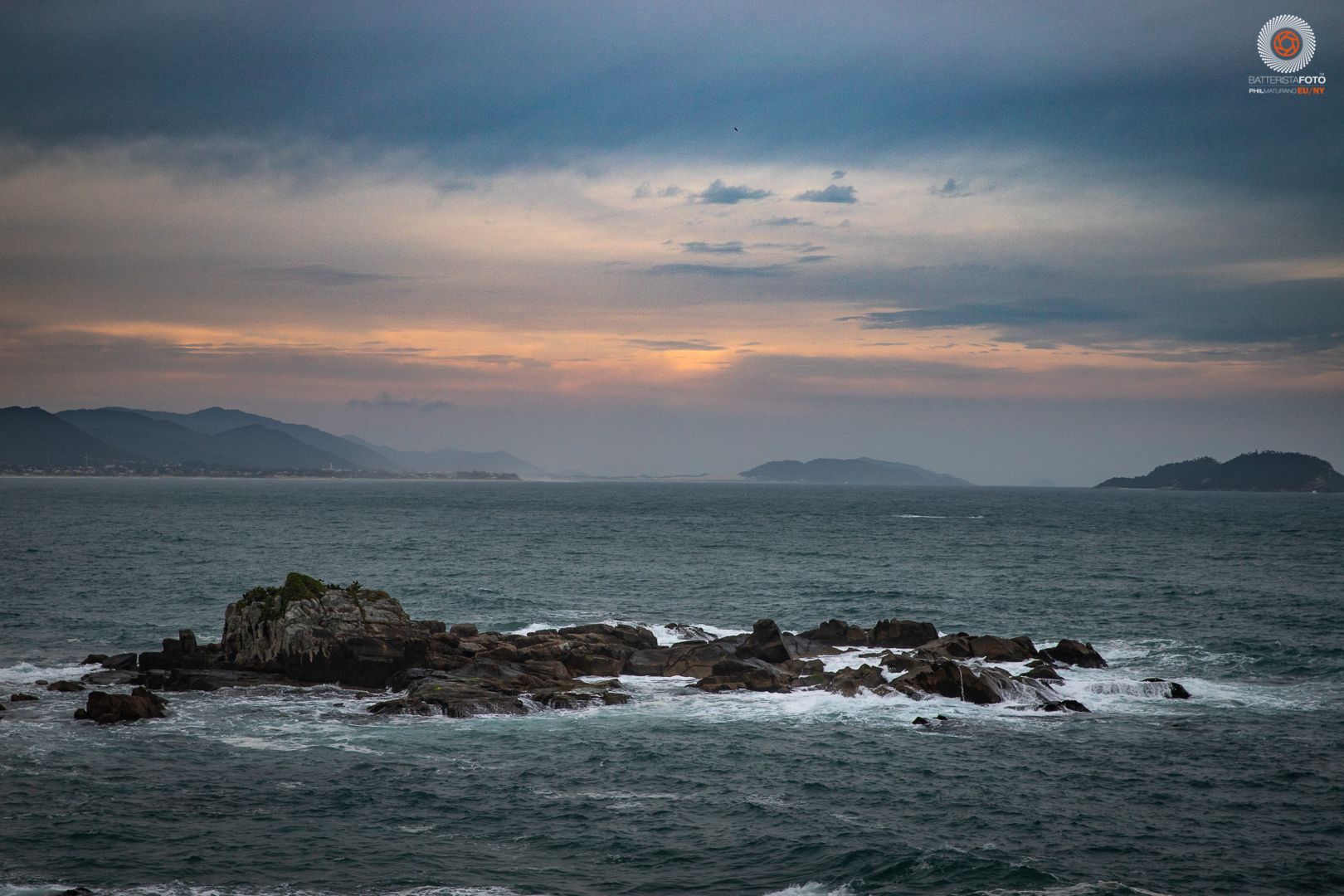
- Foreground Interest: Including a strong foreground element is a common technique in seascape photography. Rocks, shells, driftwood, or seaweed can add depth and interest to your image. They guide the viewer’s eye into the scene and provide a sense of scale.
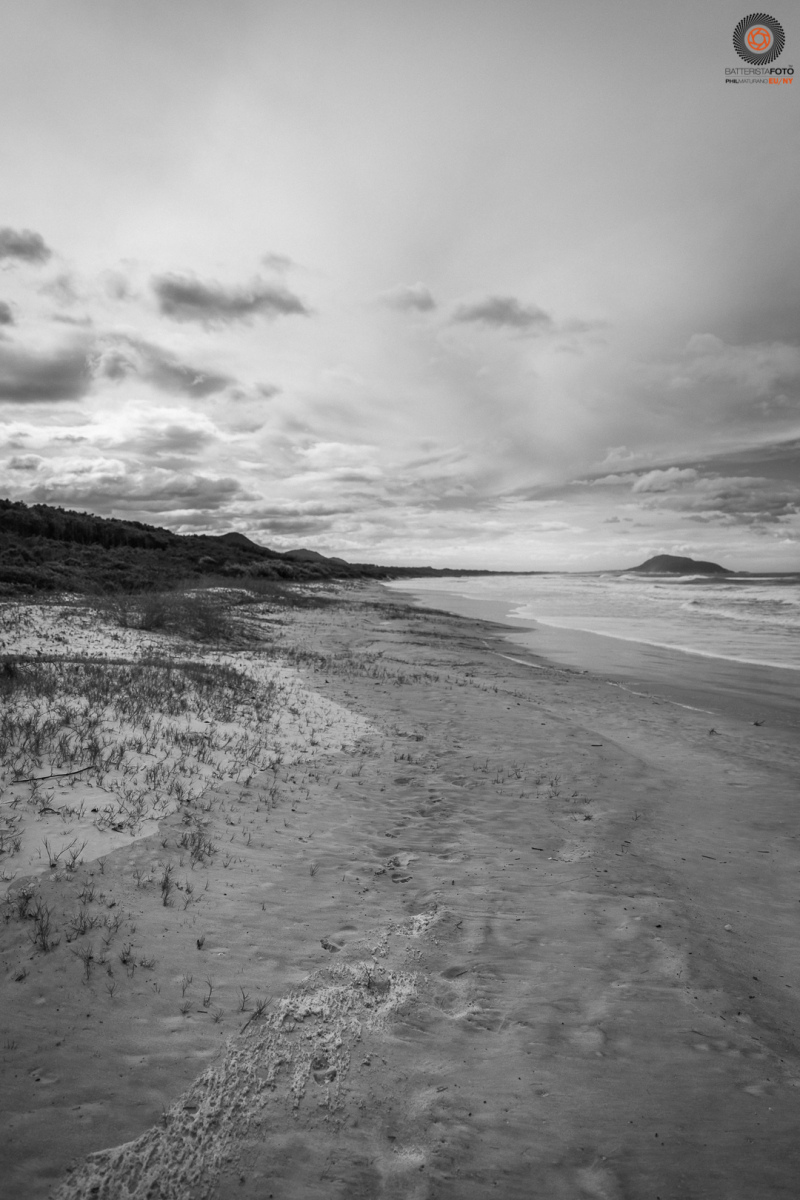
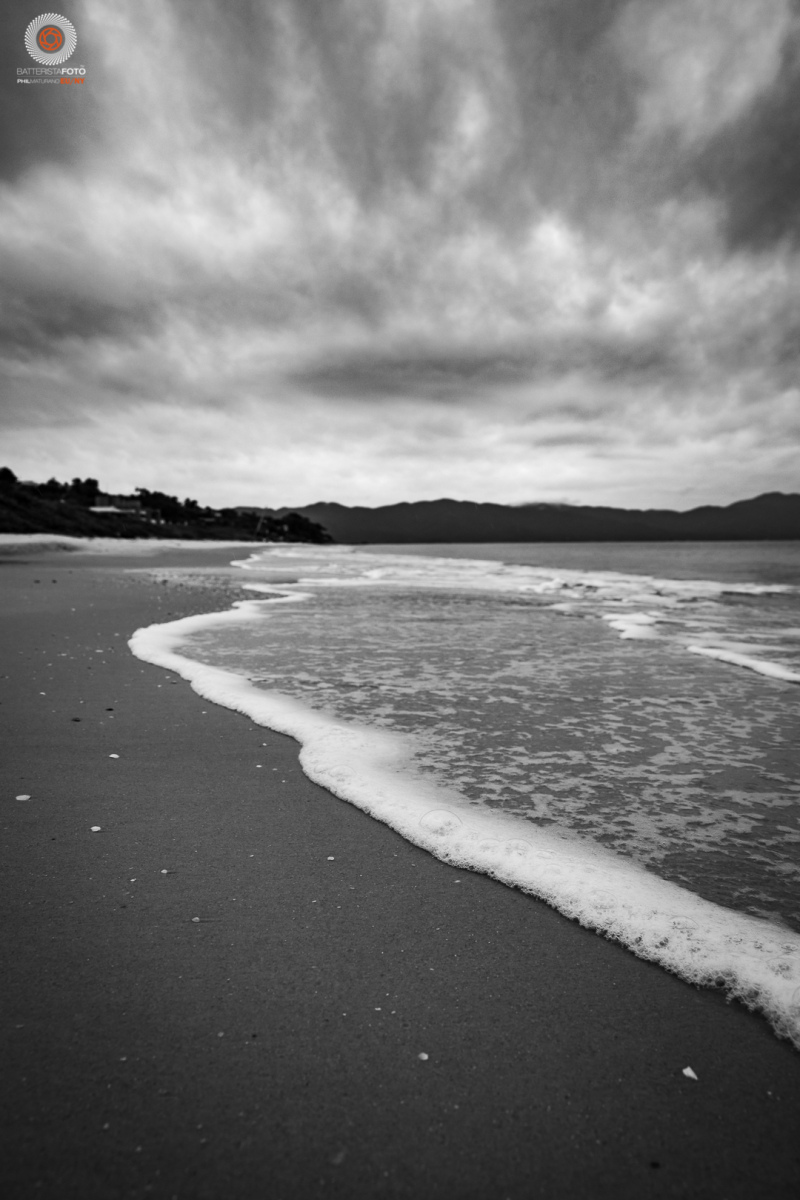
- Leading Lines: Look for natural lines that draw the viewer’s eye into the image. Examples include the shoreline, waves, jetties, or the patterns in the sand. These lines can create a strong sense of direction and movement in your photo.
- Rule of Thirds: Apply the rule of thirds by dividing your frame into a 3×3 grid and placing key elements along these lines or at their intersections. This can create a visually pleasing and balanced composition.
- Horizon Placement: Pay attention to the placement of the horizon. Placing it either in the lower third for an emphasis on the sky or in the upper third for an emphasis on the foreground can create different visual effects.
- Balancing Elements: Ensure a sense of balance in your composition. If you have a large, dominant element in one part of the frame, consider balancing it with smaller elements in other parts of the image.
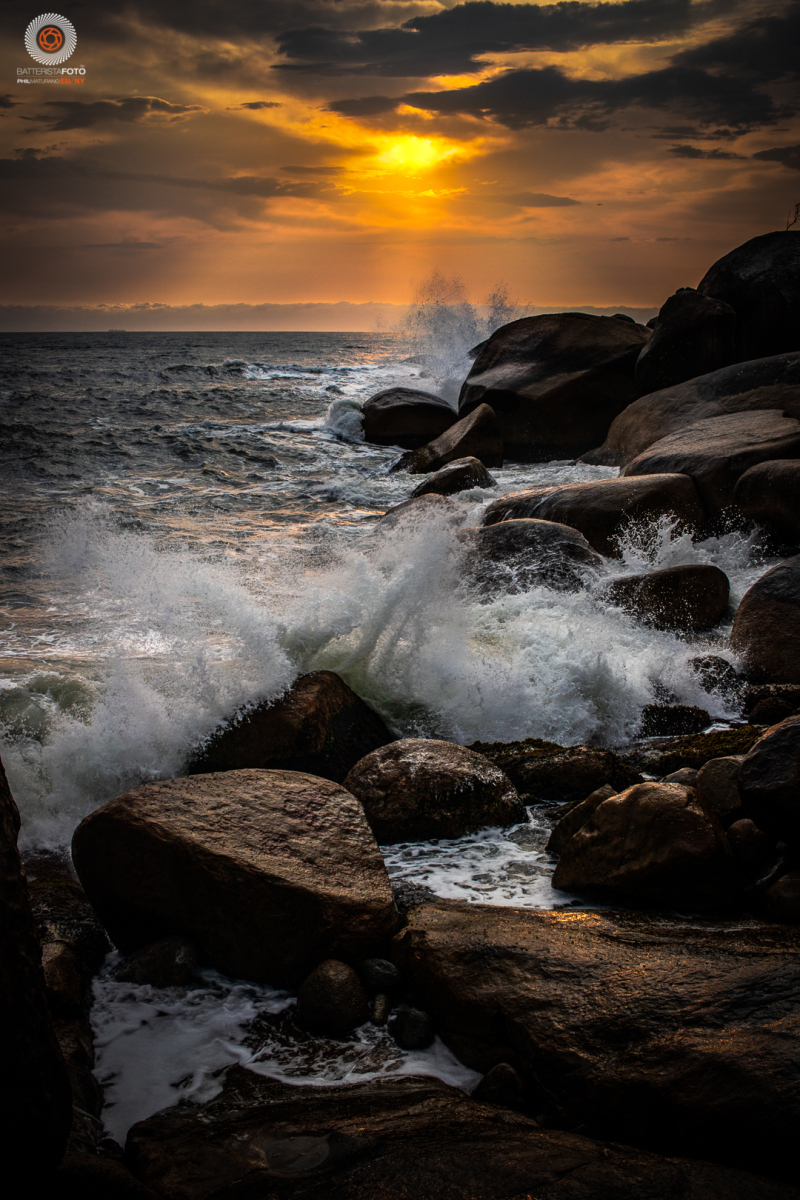
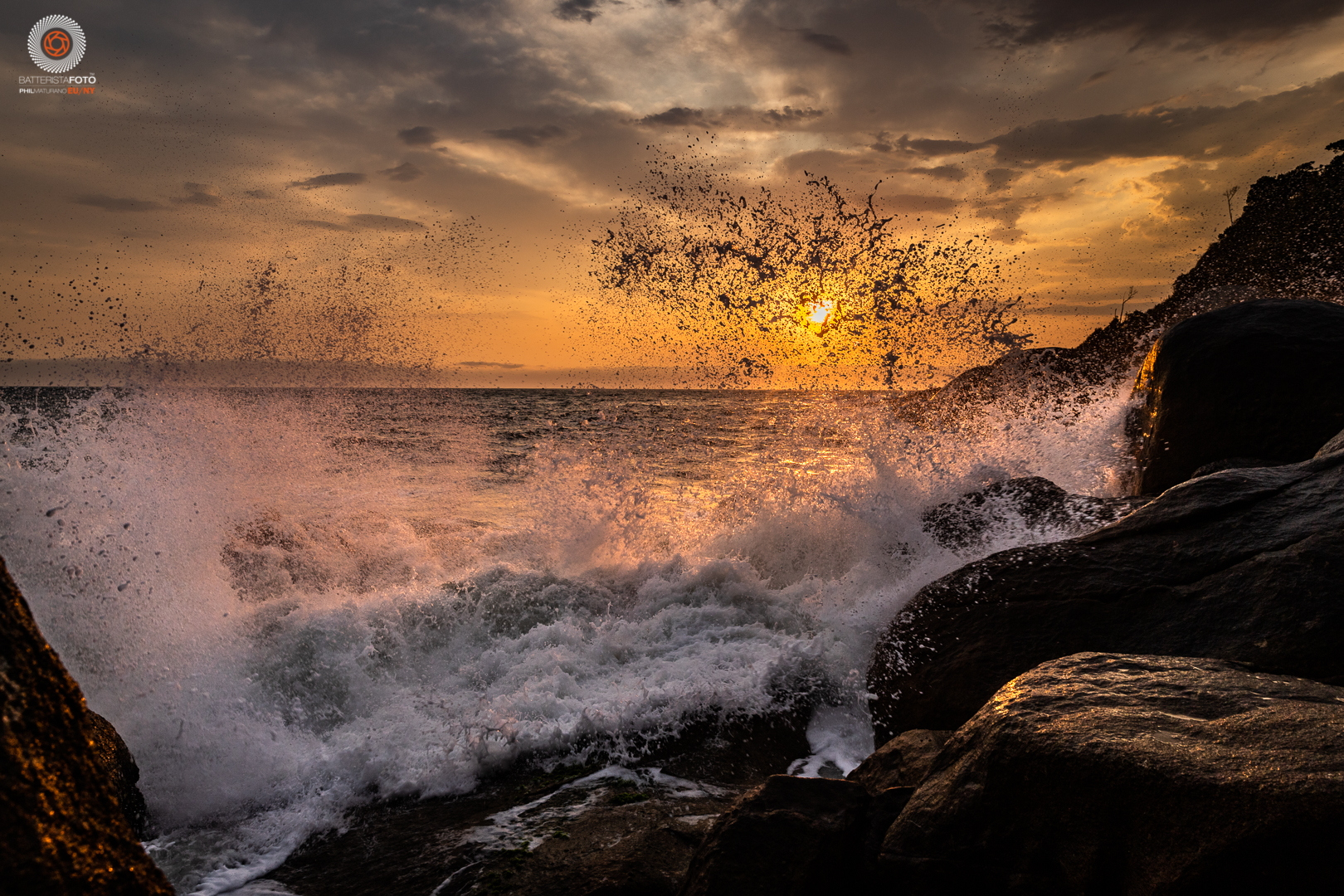
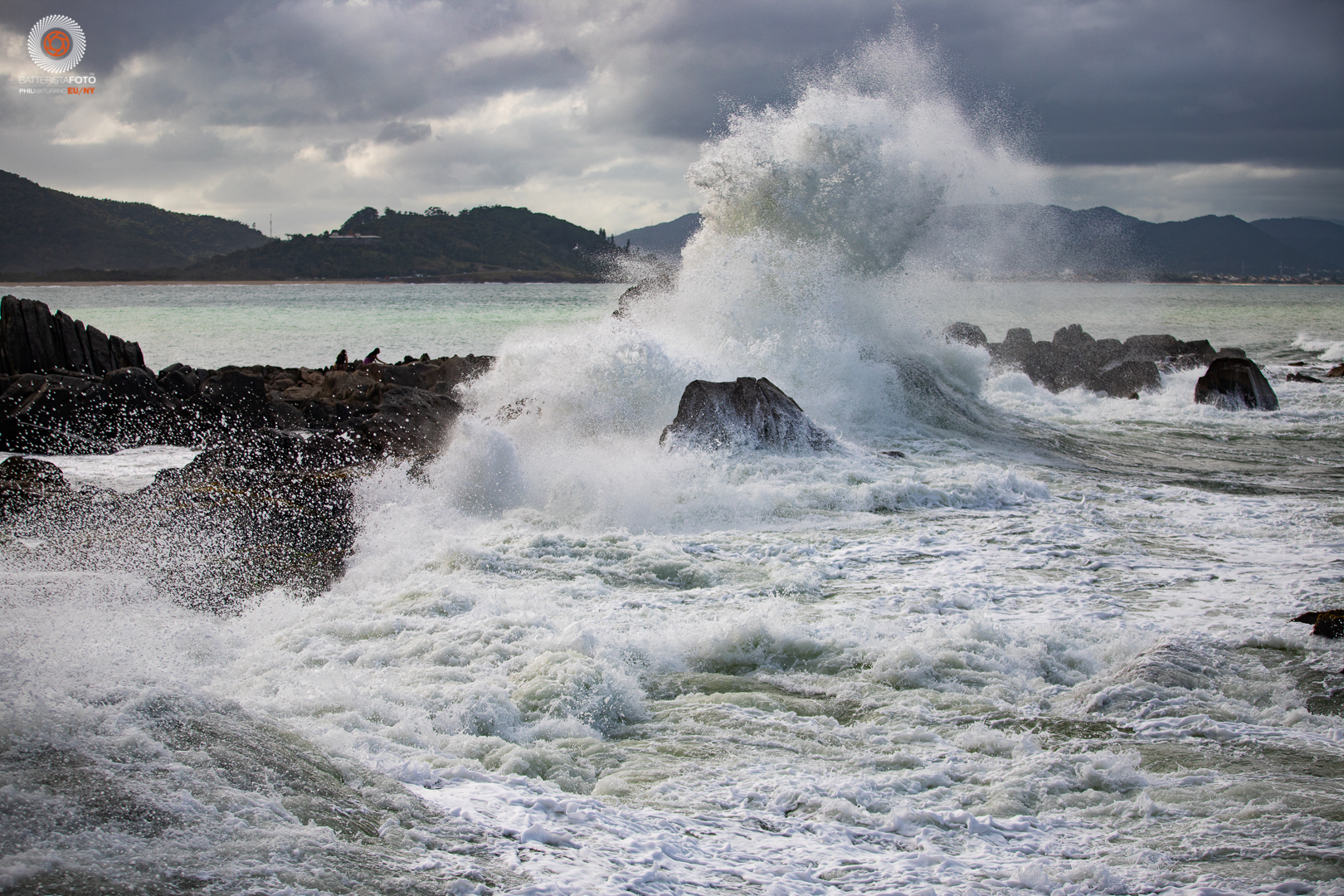
- Use of Water: Capturing the movement of water can add dr
- ama and energy to your photos. Experiment with different shutter speeds to achieve various effects. A slower shutter speed can create a dreamy, ethereal look, while a faster shutter speed can freeze the action of waves.
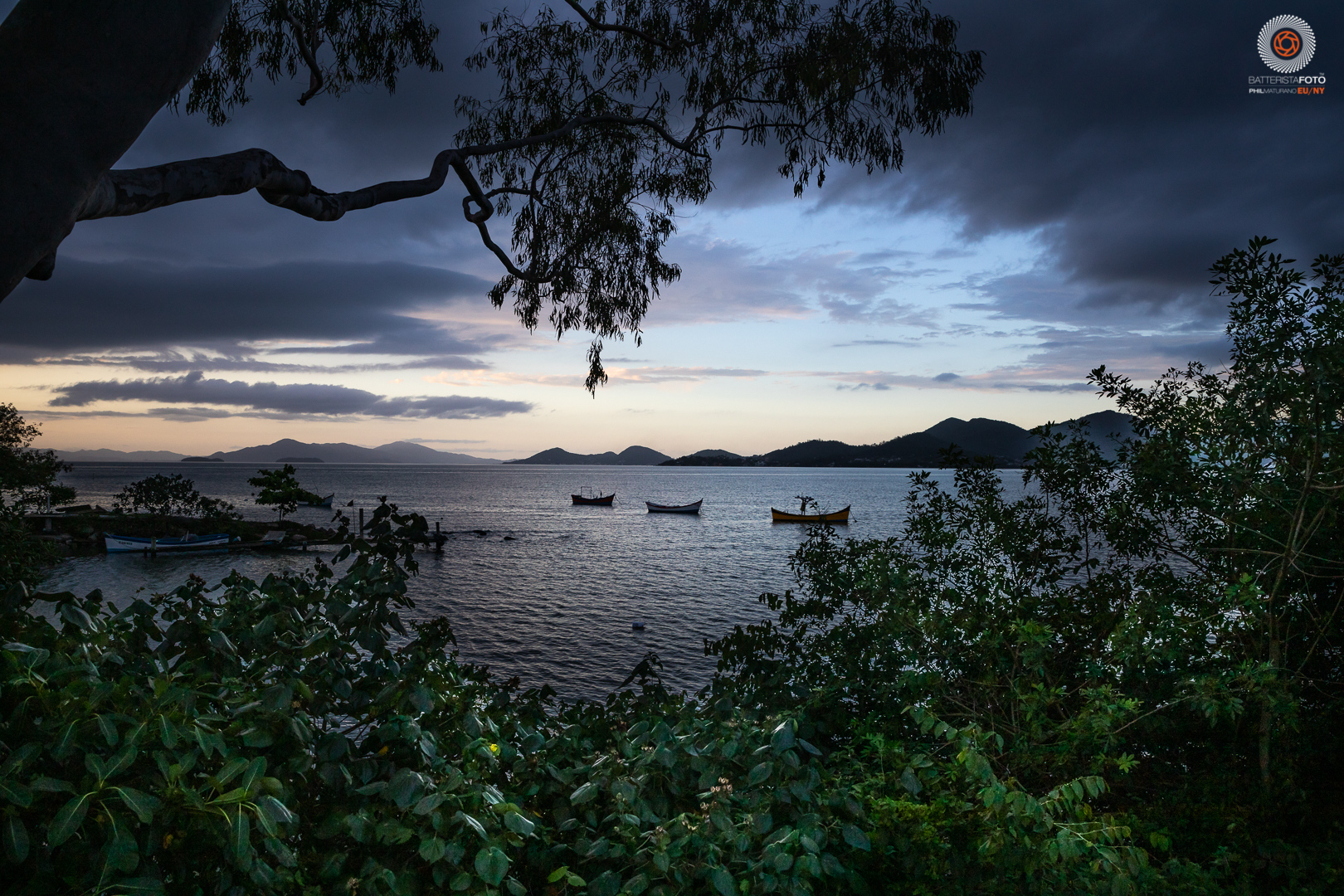
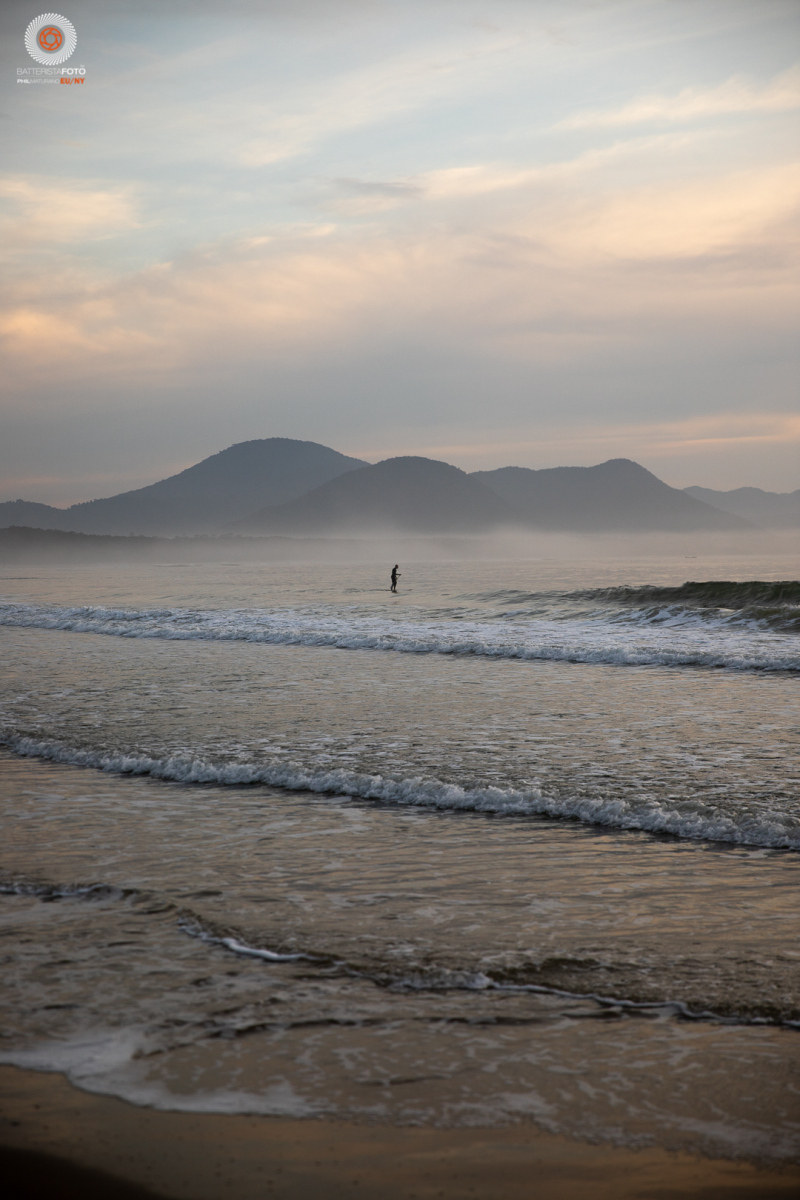
- Golden Hour and Blue Hour: The soft, warm light of the golden hour (just after sunrise or before sunset) and the deep blue hues of the blue hour (just before sunrise or after sunset) can enhance the mood and atmosphere of your seascape photos. Plan your shoots during these times for the best lighting.
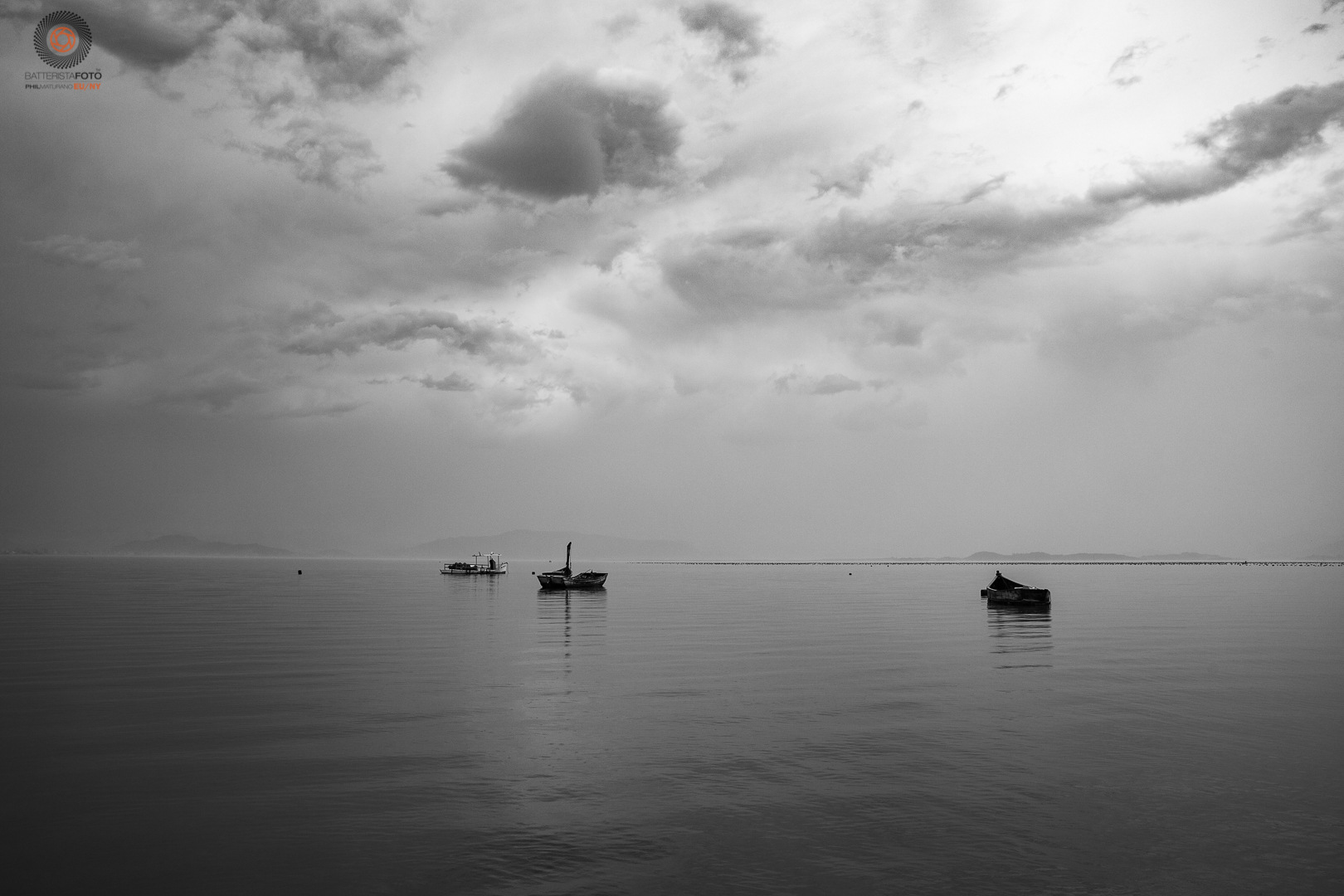
- Composition and the Sky: Clouds and the sky are an essential part of many seascape compositions. Interesting cloud formations or a colorful sunrise/sunset can elevate your image. Ensure the sky complements the overall composition.
- Use of Filters: Neutral density (ND) filters and graduated ND filters can help control exposure and balance the brightness between the sky and the foreground. These filters are especially useful when shooting in bright light or for long-exposure effects.
- Experiment with Angles: Try different angles and viewpoints. Get low to the ground to emphasize foreground elements, or use higher vantage points to capture a broader view of the seascape.
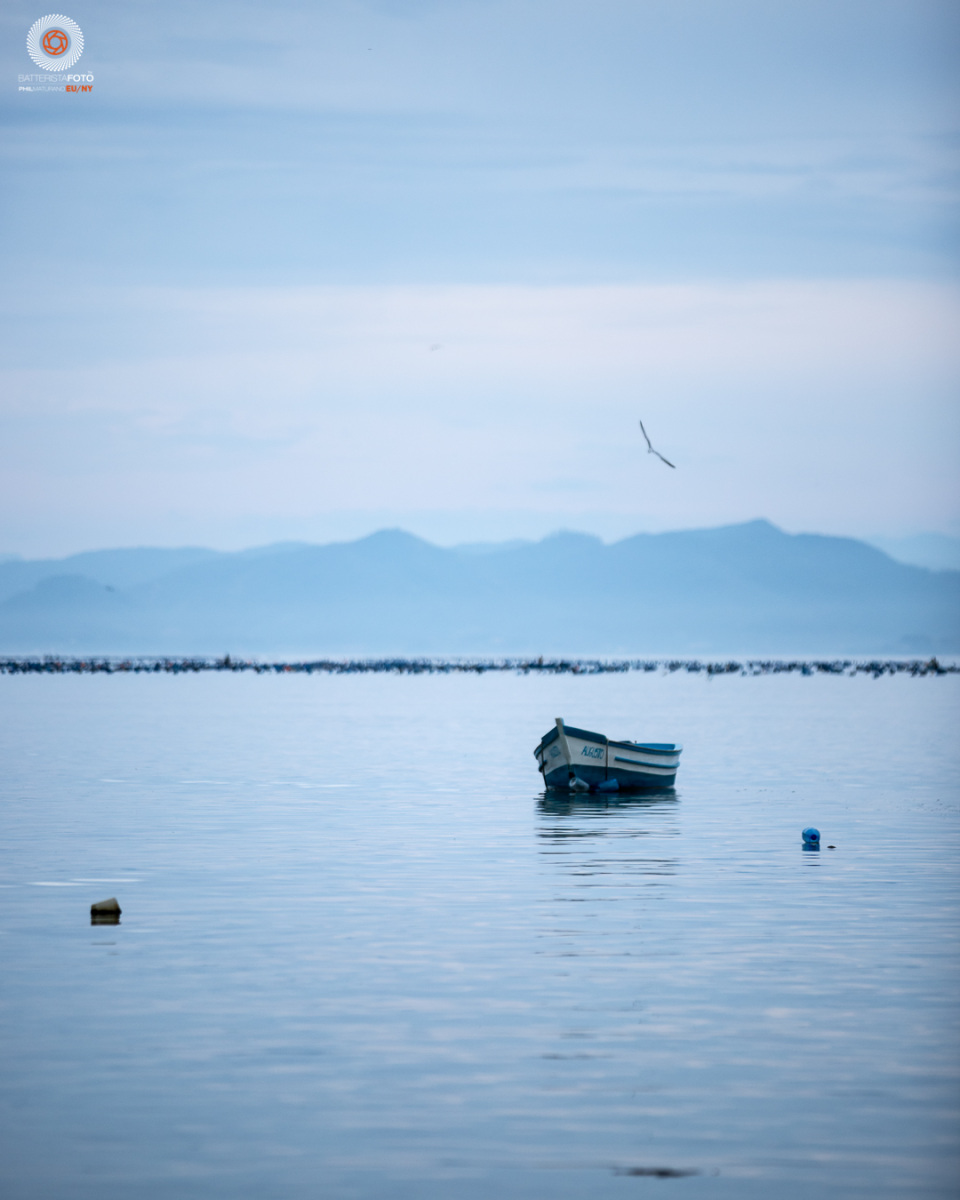
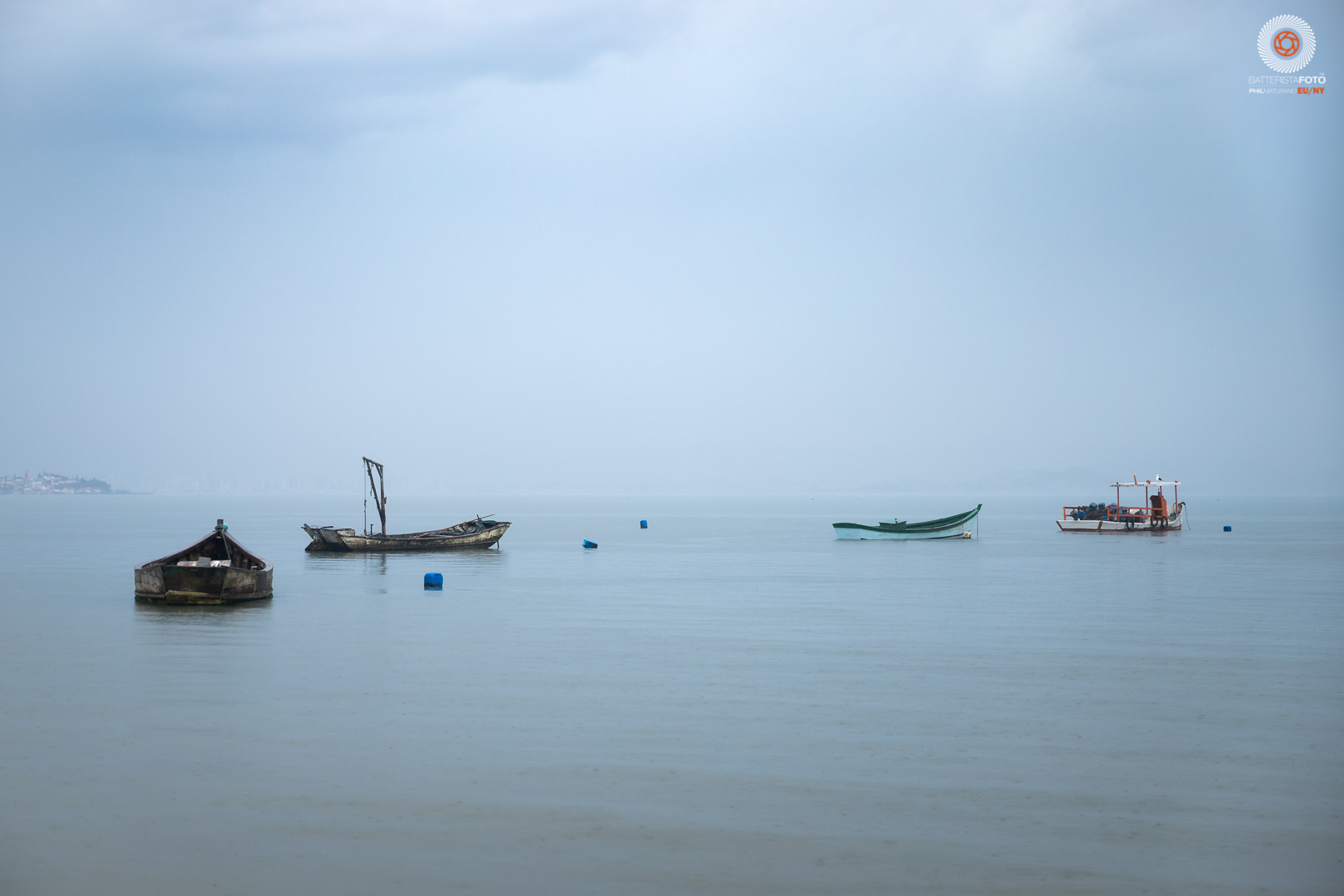
- Minimalism: Sometimes, simplicity is key. Em
- brace minimalism by isolating a single subject or a small group of elements against a vast expanse of sea or sky.
- Timing: Be patient and wait for the right moments. Capture the waves crashing, the water receding, or the perfect alignment of elements in the frame.
- Post-Processing: Use post-processing software to fine-tune your images. Adjust exposure, contrast, color, and sharpness to bring out the best in your seascape photos.
Remember that seascape photography is not just about the sea itself but also about the emotions and atmosphere it conveys. By paying attention to composition and being in tune with the elements, you can create captivating seascape images that tell a story and evoke a sense of wonder.
